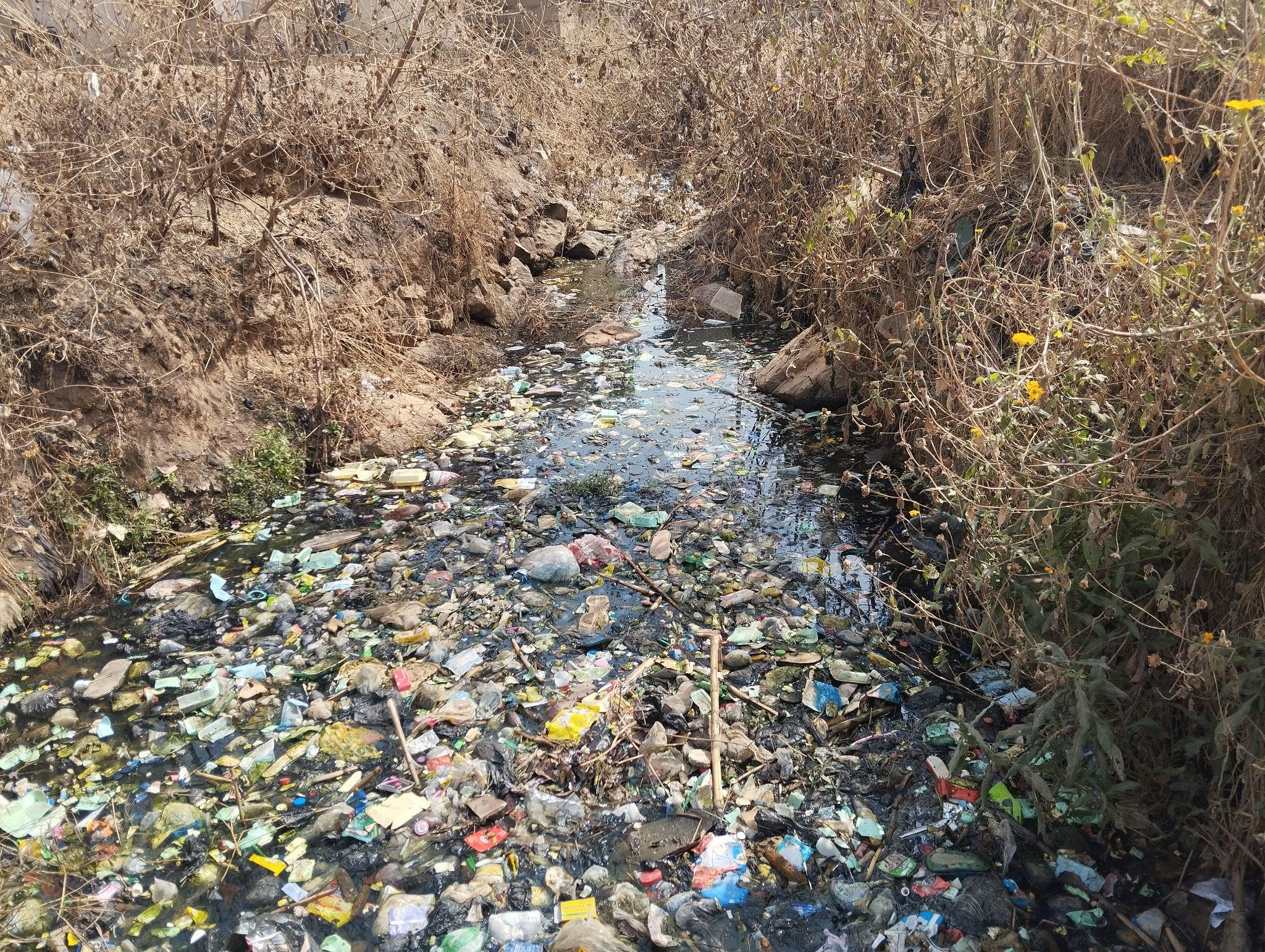
Waste management is a critical issue worldwide, particularly in developing countries where the
infrastructure and resources to handle waste effectively are often lacking. The improper
management of waste can lead to severe environmental and health problems, including
pollution, disease outbreaks and the degradation of natural resources. Many regions do not
have proper waste collection, transportation and disposal systems. This deficiency often results
in the accumulation of waste in open areas, leading to environmental pollution and health
hazards.
Jos, a city in Plateau State Nigeria is one of such places struggling with the challenge of lack of
proper waste management system. Jos city is located in the middle belt region of Nigeria. It is
situated on phases of volcanic activities that have formed plateaus under which a plethora of
mineral resources can be found. Plateau state is arguably one of the richest states in Nigeria,
and the drainage pattern of Jos is acclaimed the hydrological centre of Nigeria, as many rivers
flow from the Jos plateau to other areas in the sub-region.
From Source to Stream: Tracing the Path of Household Waste
A significant consequence of waste pollution is the degradation observed within fluvial and
aquatic ecosystems; rivers and waterways constitute a primary domain impacted by the
pervasive challenges of waste pollution in Jos. Waste blocks flow, releases pathogens, and
pollutants that damage ecosystems and human health; and of the major wastes being
improperly disposed of, plastic waste constitutes part of the highest in Jos, just like several
places around the world.
According to earlier research on solid waste management in Jos North, an assessment was
made of the performance of Plateau Environmental Protection and Sanitation Agency (PEPSA)
in Jos. The research reports that forty-five percent (45%) of land use type responsible for waste
generation is residential while 42% and 33% of the compositions of the wastes are ashes and
plastics respectively.
There are too many uses of plastics, in preservation and distribution of food, housing and
appliances to mention. Unfortunately, the properties of plastic that make it so valuable also
make its disposal problematic, such as its durability, light weight and low cost. Specially
designed plastics have been an integral part of the communication and electronics industry,
especially in the manufacture of chips and compartments. They are also used in alternative
energy systems such as fuel cells, batteries. Meanwhile, increasing plastic production and its
use in emerging economies looks set to continue, hence, waste management infrastructures will
have to be developed accordingly.
The Unseen Drain: Waste Spilling into Jos’ Lifelines

Waste mismanagement does not happen in isolation. Every misstep, from illegal dumping to
inadequate recycling creates ripple effects that spread far and wide. Additionally, weak waste practices amplify environmental damage, and deepen social inequality. These interconnected
challenges highlight an urgent truth: what we do with our waste does not just disappear, it comes back to impact us all.
The ripple effect of waste blocking waterways and rivers in Jos have overtime created chain
reactions of severe environmental, human health, and economic consequences that spread far
beyond the initial site of blockage which have been expressed as follows:
I. Environmental Impacts
● Flooding: Blocked drains and river channels prevent proper water flow, leading to
increased and often severe urban and local flooding, which destroys infrastructure and
habitats.
● Ecosystem Damage: The natural balance of aquatic ecosystems is disrupted. Stagnant
pools can form, and the flow changes alter habitats, leading to a decline in biodiversity.
● Water Contamination: As waste (especially plastics) degrades, it releases toxins and
breaks down into microplastics, contaminating the water supply.
● Oxygen Depletion (Eutrophication): Organic waste and agricultural runoff introduce
excess nutrients, causing harmful algal blooms. When these algae die and decompose,
they use up dissolved oxygen, creating “dead zones” where most aquatic life cannot
survive (hypoxic conditions).
● Harm to Wildlife: Fish and marine life often ingest plastic waste or become entangled in
it, leading to injury, starvation, or death. These toxins then move up the food chain,
potentially affecting top predators, including humans.
● Degraded Habitats: Increased sedimentation from soil erosion, exacerbated by
disrupted water flow, can cloud the water, reducing sunlight penetration and smothering
bottom-dwelling organisms and plants.
II. Human Health Impacts
● Health Risks: Polluted water from blocked systems becomes a breeding ground for
vectors like mosquitoes and rodents, and can spread serious diseases such as cholera,
typhoid, and dysentery.
● Contaminated Drinking Water: Chemical and microbial contamination makes water
sources unsafe for drinking, cooking, and bathing, posing severe risks of long-term
illnesses like cancer or developmental disorders.
III. Economic Impacts
● Economic Losses:
a. Communities dependent on fishing and tourism suffer significant revenue
losses when waters are polluted and beaches or rivers are closed.
2. communities face mounting costs for clean-up operations, infrastructure repairs
due to flooding, and maintaining waste management systems.
3. Agricultural yields can be reduced due to the use of poor water quality for
irrigation and the degradation of soil quality near dumping sites. The problem in
one location does not stay there; the interconnected nature of waterways means
pollution can travel downstream, impacting distant communities and ecosystems.
Turning the Tide: A Call to Action to Jos and Environs
The concept of a circular economy offers a transformative approach to waste management. In a
circular economy, products are designed for longevity, reuse and recycling, minimizing waste
and resource consumption. The Government of Plateau State, Public and Private organizations
in Jos can adopt circular economy principles to reduce waste generation and promote
sustainable resource use.
Digital technologies, such as the Internet of Things (IoT), Artificial Intelligence (AI) and block
chain, can revolutionize waste management. These technologies can optimize waste collection
routes, monitor waste levels in real-time and enhance recycling processes. For example, smart
bins equipped with sensors can notify waste management authorities when they are full,
ensuring timely collection. Decentralized waste management systems, where waste is managed
at the local level, can be more effective in developing countries.
Additionally, Community-based waste management systems can tailor solutions to local needs
and conditions, involving residents in decision-making and implementation processes like ‘waste
to wealth’ or ‘waste to art’ initiatives. Waste management strategies should also incorporate
climate resilience to address the impacts of climate change. This includes designing waste
management infrastructure that can withstand extreme weather events and implementing
practices that reduce greenhouse gas emissions from waste.
In conclusion, the responsibility of sustainable waste management is a collective effort, and
David Suzuki says it more convincingly, “If we pollute the air, water and soil that keep us alive
and well, and destroy the biodiversity that allows natural systems to function, no amount of
money will save us.”
Written by: Felicity Asibi Akwa
Edited by: Beatrice Bos