Blood on the Plateau – Fresh Attack Leaves Dozens Dead in Jos
March 30, 2026
There are nights that pass quietly…
and then there are nights that leave silence behind for all the wrong reasons.
Late Sunday night, March 29, communities in Jos were thrown into chaos as gunmen launched a deadly attack on unsuspecting residents – marking yet another tragic chapter in the long-running crisis in Plateau State.
According to reports from credible local and international outlets, including Channels Television and Reuters, the нападение occurred in areas around Jos North, particularly within the Angwan Rukuba/Gari axis.
The Attack
Eyewitness accounts describe a sudden eruption of violence – gunfire ripping through the night, sending residents into panic.
There was uproar.
People ran.
And for many, there was nowhere to run.
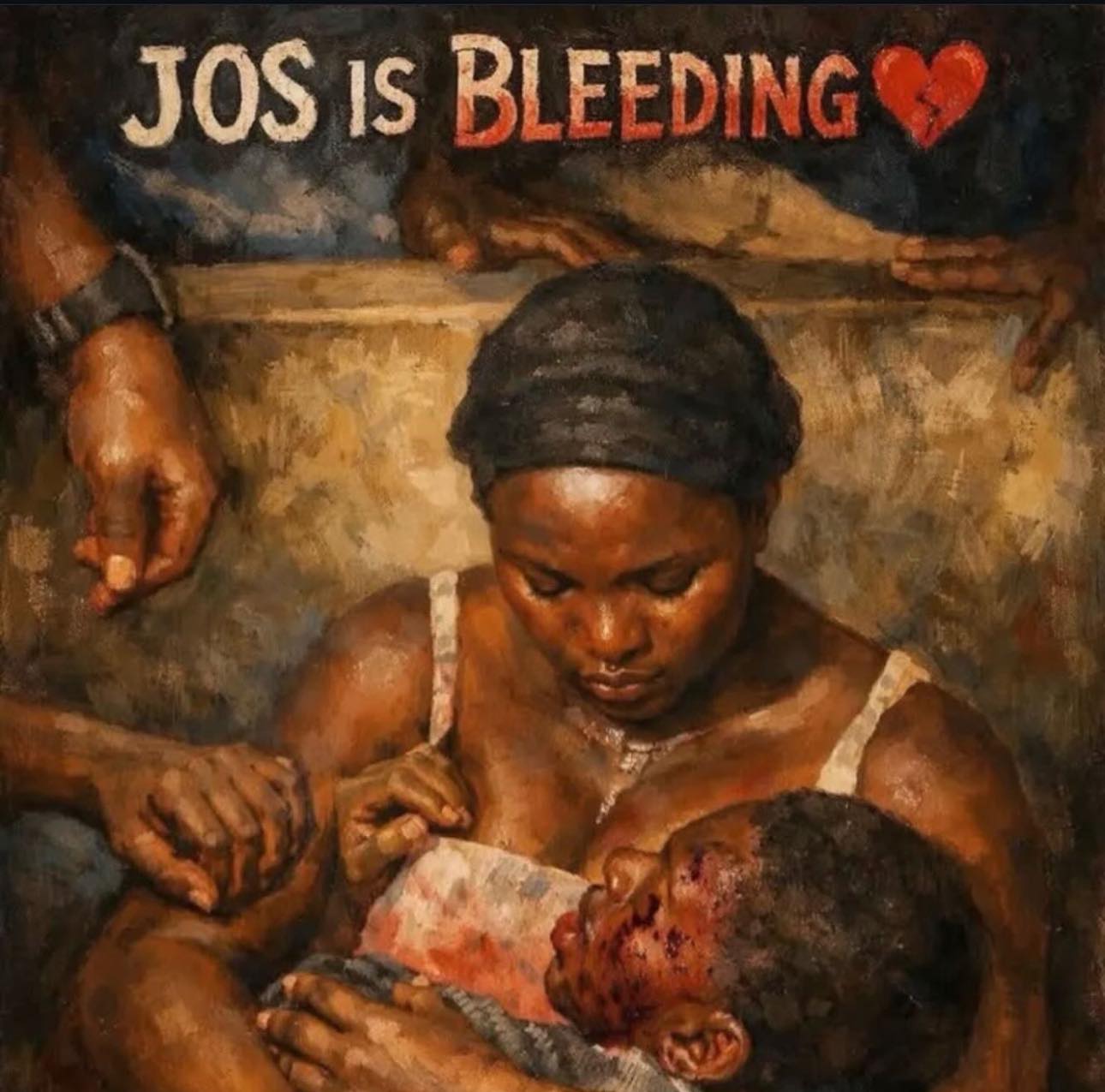
Some residents – including women, children, and the elderly – reportedly locked themselves indoors, hearts pounding behind closed doors, hoping the violence would pass them by. In those moments, survival came down to silence, stillness, and sheer luck.
More disturbingly, some accounts allege that the violence was not limited to gunfire alone. There are claims that certain victims were attacked at close range, suggesting acts of brutal physical assault beyond the initial shootings.
These reports remain unconfirmed by official sources, but they deepen the fear and trauma already gripping affected communities.
Rising Death Toll
As of the latest reports:
• At least 20 people have been confirmed dead
• Other estimates suggest the number may exceed 30 victims, as recovery efforts continue
The figures remain fluid.
But beyond the numbers are lives – families disrupted, futures erased, and communities left to grieve in shock.

Government Response
In response to the violence, authorities imposed a 48-hour curfew across affected areas, while security personnel were deployed to restore order.
While this may help prevent immediate escalation, it raises a more pressing concern:
Where was the protection before the attack?
Curfews control movement – but they do not address the root causes of violence.
At best, they offer temporary calm.
At worst, they delay retaliation.
And in a region like Plateau State, where cycles of violence often repeat, delayed conflict can return even more severe.
Public Reaction and Growing Frustration
As news of the attack spread, social media became a space of mourning, anger, and questions.
Among those who reacted was VeryDarkMan, who spoke on the situation while claiming proximity to events in Jos.
His reaction echoed a growing national frustration:
How many times will this happen before something changes?
While such voices amplify urgency, they also highlight a deeper issue – a widening gap between lived realities and official responses.
The Governor’s Visit – Presence or Perception?
Attention has also turned to the actions of the state leadership.
Reports circulating online claim that the Governor of Plateau State, Barr. Caleb Mutfwang, visited affected areas in a heavily armored convoy, with allegations that he did not step out to directly engage residents.
At the time of reporting, these claims remain unverified by major news platforms.
However, perception in moments like this carries weight.
Leadership in crisis is not just about arrival –
it is about presence.
A Pattern Beyond One Night
This latest attack is not an isolated incident.
Plateau State remains one of Nigeria’s most volatile regions – long affected by recurring violence linked to:
• Communal tensions
• Land disputes
• Farmer-herder conflicts
• Reprisal attacks
Each incident echoes the last.
Each loss deepens the wound.
And yet, the pattern persists.
Final Word
What happened in Jos is not just another headline – it is a warning.
A warning that for many Nigerians, safety is still uncertain.
A warning that entire communities are still one night away from chaos.
If people must choose between running into darkness or hiding behind locked doors, hoping death does not find them – then something is fundamentally broken.
Yes, the curfew may quiet the streets.
But silence is not peace.
And until proactive security replaces reactive response,
until accountability becomes more than routine statements –
the next tragedy is not a question of if…
but when.
BlaqWrites
For the stories that must be told – and the truths we must not ignore.