Oyo State Kidnapping: Pupils and Teachers Freed After 56 Days, But Online Skeptics Are Asking Questions
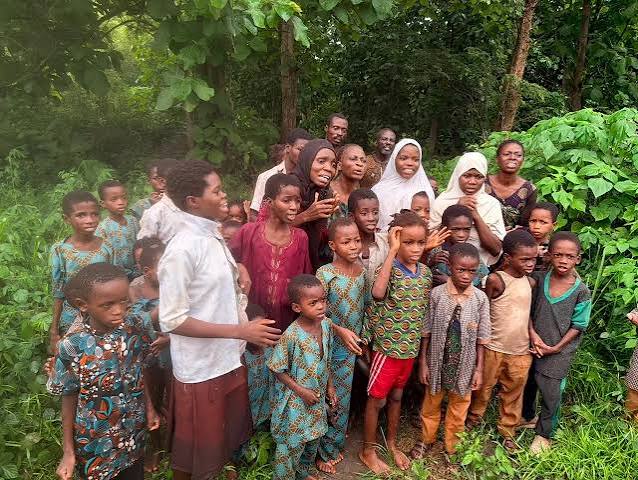
Forty-six pupils and teachers walked free on Friday, July 10, after 56 days in a forest camp in Oriire Local Government Area, Oyo State. Nigeria’s presidency called it a rescue. A chunk of X isn’t so sure. Here’s what actually happened, what’s fueling the doubt, and what usually happens to the men who did the kidnapping.
What happened on May 15
Gunmen hit three schools at once: Baptist Nursery and Primary School in Yawota, plus Community High School and L.A. Primary School in Ahoro-Esiele. They took 39 pupils and seven teachers, including the school principal and a toddler. One teacher, Michael Oyedokun, was killed the next day, reportedly to slow down pursuing security forces. A second captive died later, in custody.
The Defence Headquarters pinned the attack on a dislodged Boko Haram faction operating out of Old Oyo National Park, a forest reserve that borders Kainji National Park further north. Governor Seyi Makinde read the attack as a symptom of a bigger shift: military pressure up north is pushing armed groups south, into territory that isn’t set up to handle them.
The 56-day standoff, in short
The kidnappers demanded Sharia law implementation, ₦1 billion routed to an account in the Benin Republic, and the release of two Boko Haram commanders. Oyo’s information commissioner publicly denied a ransom was paid, calling reports of one “far from the truth.” Teachers across the state went on strike. Civil society groups, including the Take-It-Back Movement, held demonstrations in Ibadan. The Nigerian Union of Teachers organized rallies nationwide. Security forces reportedly cut off food supply to the forest camp, which weakened the kidnappers’ position and, sources told Premium Times, forced them to negotiate from a weaker hand.
The release, and what the government says happened
On Friday evening, all remaining captives came out alive. The official account:
Eight suspected kidnappers arrested, now in DSS custody Several others “neutralised” during the operation No concession made: the gang leader they wanted freed stayed in prosecution Multiple agencies involved, including the Office of the National Security Adviser, the DSS, the Army, and police
A video went viral within hours of the announcement. In it, a rescued teacher thanks President Tinubu and security forces directly, and children are shown eating biscuits while echoing “thank you, sir.”
Why X is asking hard questions
That video is exactly what set off the skepticism. Viewers pointed out the pupils looked clean, calm, and well-fed for people who’d allegedly spent nearly two months in a forest hideout run by an armed group that had already killed one of their own teachers. Some of the chatter has gone further, floating the idea that the entire episode, or at least its ending, was choreographed for political benefit ahead of Nigeria’s 2027 election cycle.
It’s worth separating what’s a fair question from what’s an unproven leap.
Fair questions people are raising: Captives from Nigerian kidnappings often show visible signs of the ordeal: malnourishment, injuries, exhaustion. Why do these victims look different? Details of the actual rescue operation remain thin. Onanuga himself said a fuller account was still coming. The police commissioner told Premium Times on the night of the release that his office was “still working on the details” and “cannot just jump into information now.” This isn’t the region’s first false alarm. Oyo police had to publicly debunk an earlier viral rumor, back in early June, that the captives had already been freed.
What complicates the staged-kidnapping theory: A named victim, Michael Oyedokun, is confirmed dead, and his family has spoken publicly and painfully about their loss. His niece told reporters the release “could not erase the pain of losing her uncle.” Multiple independent outlets, including Premium Times, Punch, Channels, and Daily Trust, corroborated the release through separate sourcing, not just the presidency’s statement. Security personnel were reportedly injured by improvised explosive devices during the operation, a detail that’s hard to fabricate cleanly across multiple sources. Trauma doesn’t always look the way cameras expect it to. Compliance, shock, and relief can produce calm exteriors even after genuine ordeals, and captors sometimes keep hostages fed well enough to preserve their bargaining chip, rather than starve them outright.
None of this proves the release happened exactly as described. It just means “the kids look too okay” isn’t, by itself, evidence of a staged event. If you’re chasing this story, the thing to watch for is the “full account” security agencies promised but haven’t delivered yet. That’s where verification either holds up or falls apart.
So what happens to the bandits now?
This is the part with real precedent behind it, and Nigeria’s track record is mixed at best.
Path one: prosecution. The eight men arrested in the Oyo operation are currently in DSS custody, and officials have stressed that the demanded gang leader was not released and remains under prosecution. If this holds, it’s the harder line: courts, not negotiation.
Path two: the Zamfara model. Northwest Nigeria has run “repentant bandit” amnesty programs for years, most famously in Zamfara, Katsina, and Sokoto starting around 2019. The pitch: bandits surrender weapons, get vocational training, sometimes livestock or vehicles, in exchange for laying down arms. Zamfara alone claimed the release of nearly 1,000 captives through negotiated peace deals with bandit leaders.
The results have been rough. Investigative reporting from the region describes the same pattern repeating: a staged handover ceremony, a token surrender of a few rusty rifles, heavy praise from government officials, and then a return to violence within months. One analysis bluntly called these amnesty ceremonies “a dangerous illusion” that hands legitimacy to armed groups without actually disarming them. A 2019 Katsina amnesty, for comparison, saw armed groups surrender exactly two rifles in exchange for 70 captives.
Path three: quiet elimination. Nigerian security operations regularly report bandits “neutralised” during raids, the term used in the Oyo statement itself for several suspects. It’s a euphemism that covers combat deaths during rescue operations, not court proceedings.
What’s newer: Zamfara recently launched “Operation Safe Corridor,” modeled on the deradicalization program originally built for former Boko Haram fighters in the northeast. It’s a more structured version of the old amnesty idea, built around vocational training and psychological support rather than cows-for-rifles trades. Whether it holds up better than the last decade of failed peace deals is still an open question, and skeptics point out that every previous version of this idea made similar promises.
For the Oyo case specifically, the government’s language so far points toward prosecution, not rehabilitation. The demanded kingpin stayed locked up. Eight men sit in DSS custody. Whether that holds once media attention moves on is the part worth tracking.
The bottom line
The pupils and teachers are home. A man is still dead, and his family says no rescue changes that. Whether the ending was exactly as clean as the video suggests is a fair thing to keep asking about, provided the questions stay grounded in what’s actually missing from the official account rather than jumping straight to a conclusion nobody’s proven.
So here’s the real question: will the full report actually clear this up, or has trust in official statements broken down too much for that to work anymore?