Socializing Literacy: How Blending Book Fairs and Social Activities Promote Reading Culture – A Case Study of the Jos Book Fair 2026
The reading culture in Nigeria has faced significant challenges in the past years. Due to digitalization, economic hardships, and the common notion that reading is only for academic purposes has contributed to that. But literacy remains the bedrock of national development. Therefore, the challenge is not just to make books available but how to make reading desirable to a generation that has become so transformed digitally. The Jos Book Fair is a good model of how traditional book selling can be fused with social activities to make reading more compelling and desirable.
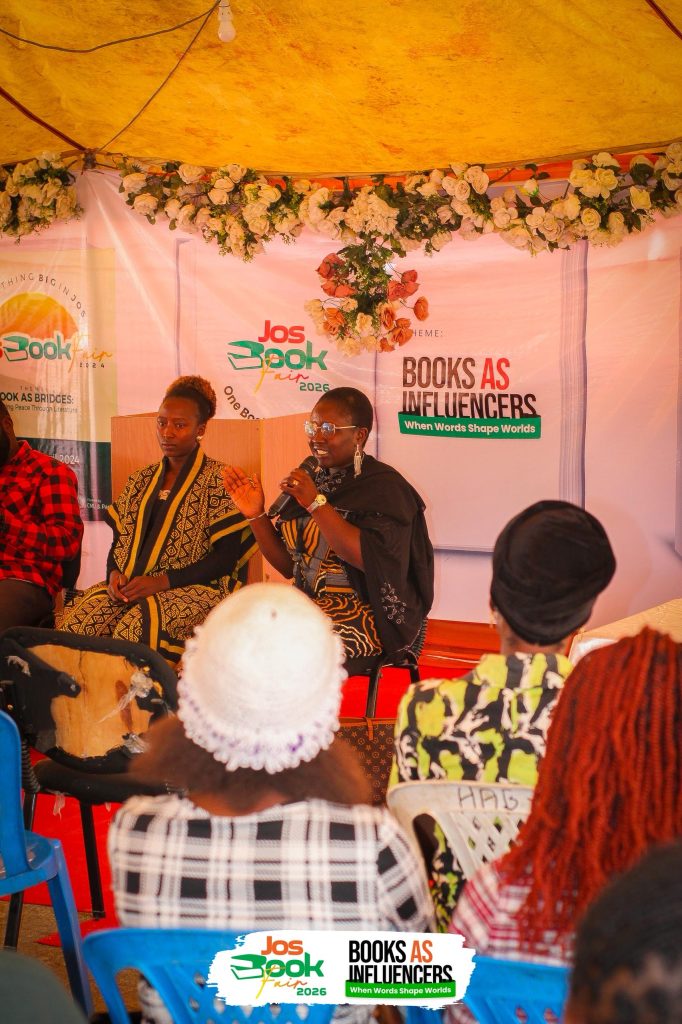
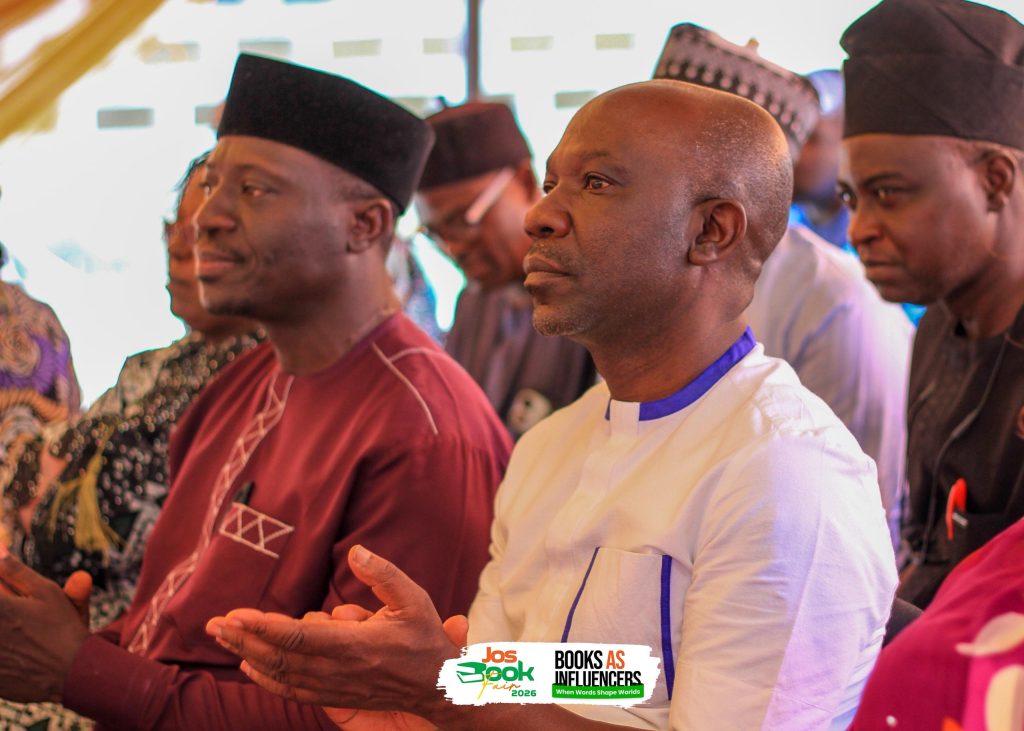
In recent times, people have viewed reading and people who love books as boring. In past years, book fairs have followed a very predictable pattern: silent book stalls, quiet sales and formal author panels. This has not really helped the reputation of book fairs as a whole. The Jos Book Fair has however broken that pattern. First held in 2024, the Jos Book Fair has dismantled the barrier of predictable book fairs. It has over the years since it’s inception incorporated books with other experiences that people love like food, music, conversations, etc. This year, it was held at the National Library in Jos, Plateau State from the 22nd to 25th of April, 2026.
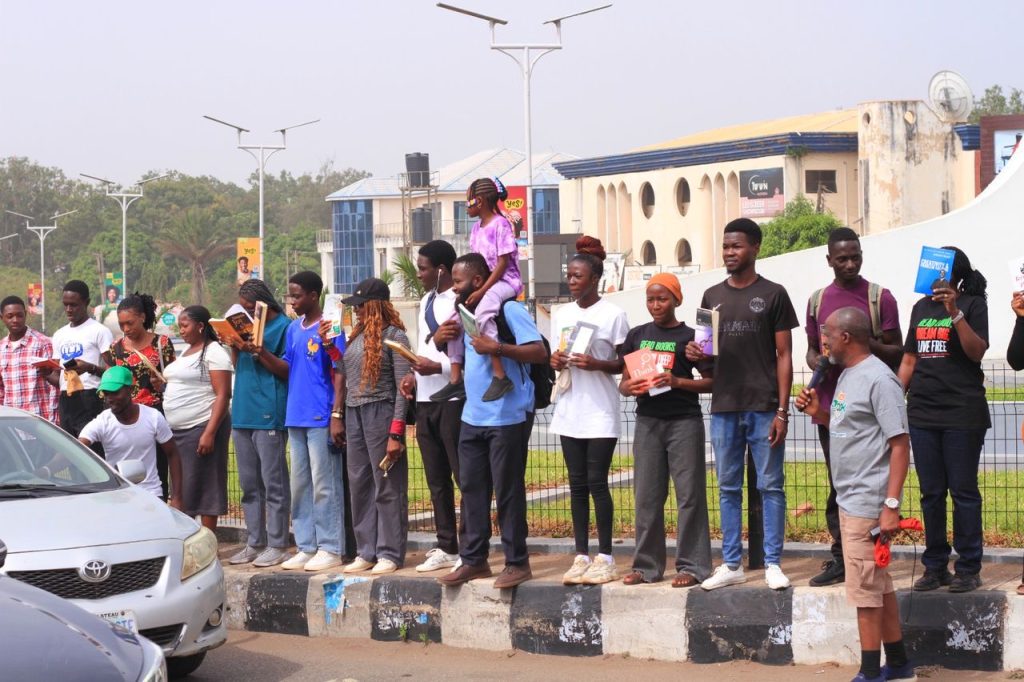
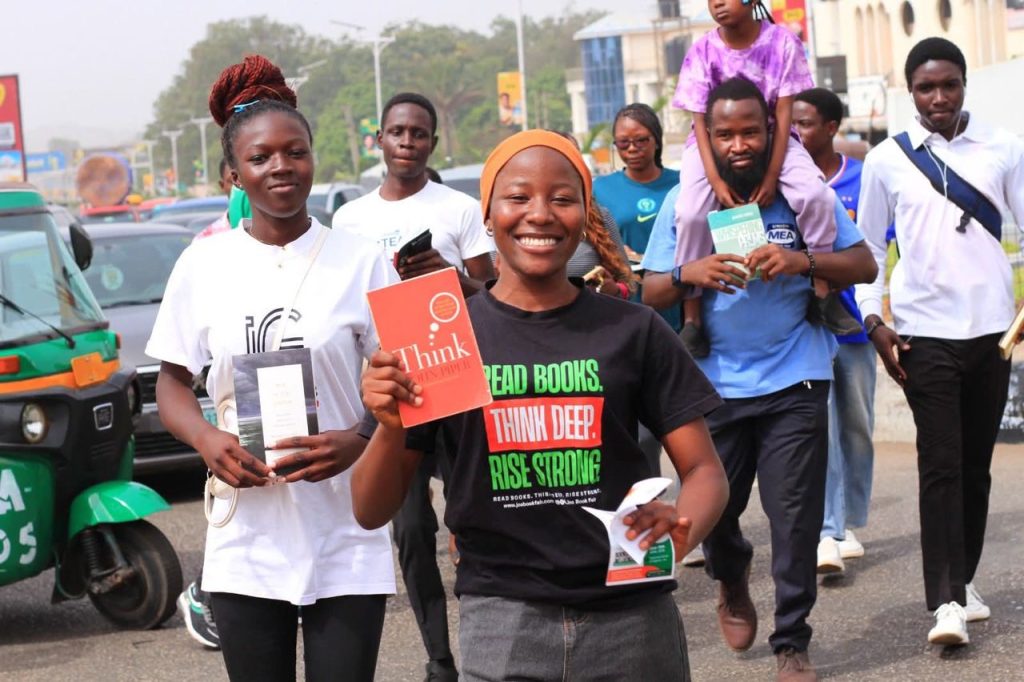
One of the strategies used by the Book Fair Team was the Book Walk. Both book lovers and non-book lovers in the city of Jos were expected to meet at Zarmaganda roundabout on the first day of the fair and from there, walk down to the National Library of Nigeria where the book fair was going to take place. This allowed people in the streets to know that there was an event taking place and also that there were still people who love reading in Jos. The music and dancing surely attracted a lot of individuals to the event.
Also, instead of just giving typical speeches on why books and reading are important, there were quizzes based on African classics like Purple Hibiscus, The Passport of Mallam Iliya, Things Fall Apart, e.t.c. This allowed the audience to be actively involved in the event rather than just being passive.
Another social activity at the fair was a guided tour of the National Library which was established in 1975. This tour allowed everyone present to witness the magic of the library which most attendees had never even been to. Attendees were shown different sections of the library which served different purposes including an outdoor garden for reading and an electronic library (e-library).
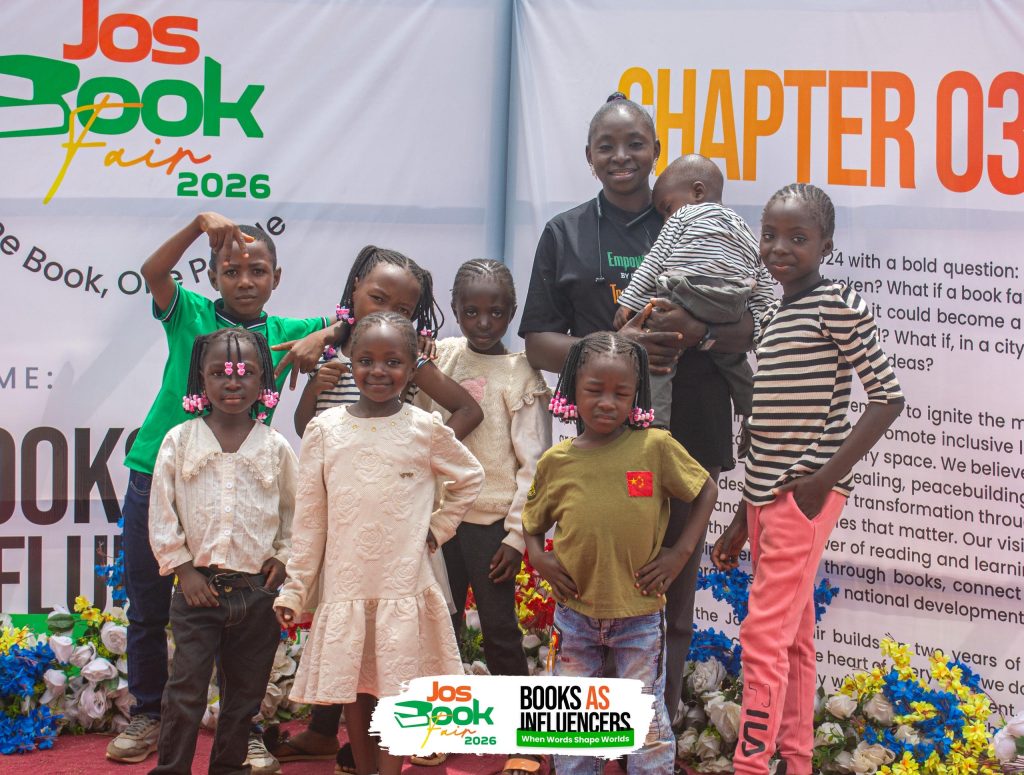
Children were also not left out of the fair. There was a corner specifically dedicated to children where they were allowed to also read, play games, dance and have fun. They made new friends and definitely went home with the passion to read books as they had seen the adults do at the fair and as we all know, children learn a lot from observing their environment.
Another way the Jos Book Fair has blended social activities with reading is the active use of all social media platforms to promote not just the activities of the fair but also to promote reading culture in a digital age. Volunteers and other active members of the planning team used dance and other popular social media trends to promote the fair and to portray that people who loved reading could also have fun.
A positive outcome of blending social activities with book fairs is continuity. While the book fair may end, the community it has created will continue to persist. The Jos Book Fair Team has brought together people from all works of life who on a normal day would have not been in the same space but have now been united due to the love of just one thing; books. It has connected people together allowing them to form special bonds of friendships that will last for a long time. The book fair did not just promote books but it promoted a social system that would keep people reading even after the banners are down.
The Jos Book Fair 2026 has demonstrated that the reading culture thrives not in silence but in conversation. By blending the book fair with other fun social activities, it has transformed literacy from a private affair to a public one. It has built a strong community that will last for a long time. A very clear lesson to learn from this to all who are looking to help in reviving the reading culture, if we want people to read in this day and age, we must turn reading into something people would want to do or turn up for. Socializing literacy is not a ploy – it is a strategy! And it is working in the city of Jos.